Wounds to Wisdom: Post-War Art and the Path to Freedom

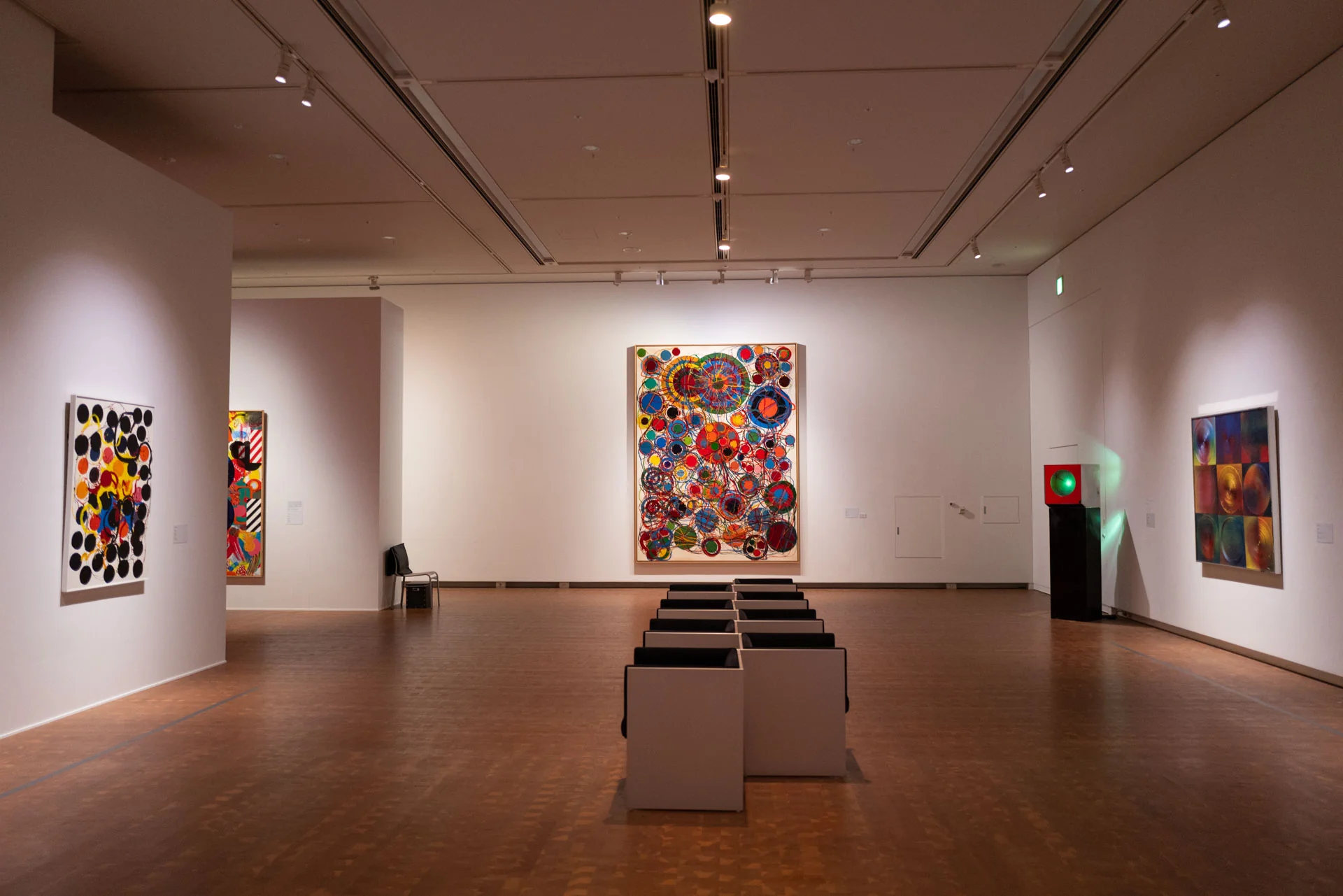
Lee Ufan, Park Seo-bo, Atsuko Tanaka, Kazuo Shiraga. These names surely ring a distinct bell not only to The Art Newspaper or a Frieze article, but also to those aware of Korea and Japan’s histories of warfare. These artists, from the Korean and Japanese post-war art movements, Dansaekhwa and Gutai, continue to dominate the blue-chip industry throughout 2025. Beyond these works’ past bidding numbers or aesthetic appeal, their intangible values of freedom, individuality and education ironically imparted unto me in a renowned commercial environment was too precious not to share.
Gutai Art Association
Founded in 1954 after World War II by Jiro Yoshihara, the Gutai movement was defined by its motto, “Do what no one has done before!” Its members included Japanese contemporary art luminaries such as Kazuo Shiraga, known for painting with his feet; Atsuko Tanaka, creator of the Electric Dress; Yasuo Sumi, who painted with umbrellas and an abacus; and Tsuyoshi Maekawa, renowned for his detailed burlap creations. The main characteristic of this movement was its performative element, which distinguished it from the Western abstract art movement, namely Jackson Pollock, despite their aesthetic similarities.
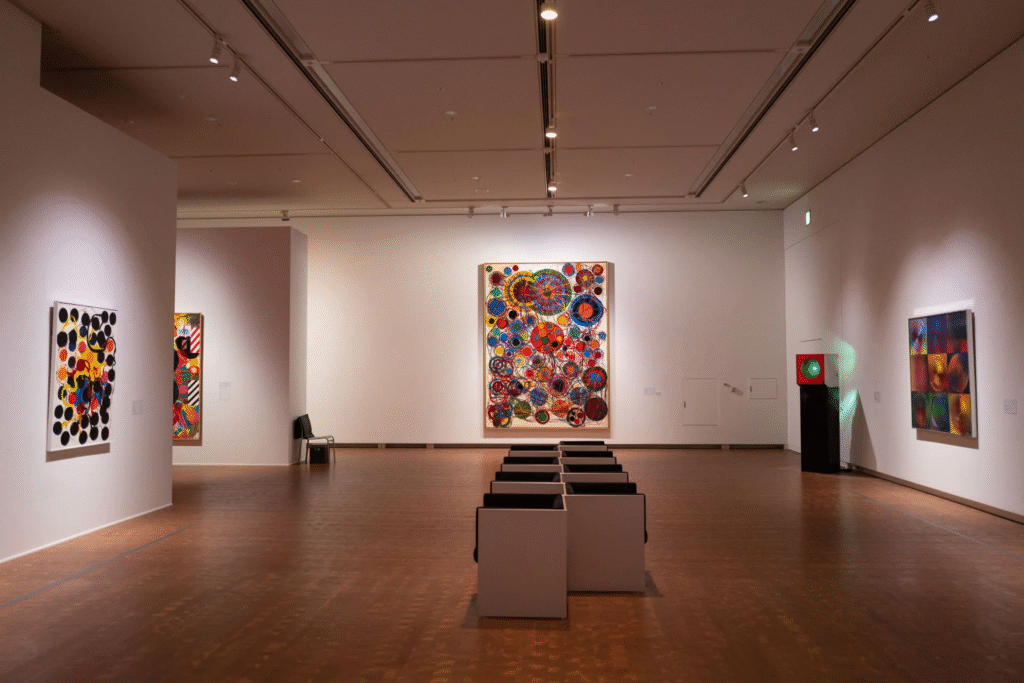
Today, works from the Gutai movement continue to appear at art fairs and in museum permanent collections, educating collectors and new visitors on the historical impact this avant-garde collective had on their country’s contemporary art scene.
Dansaekhwa
The Dansaekhwa movement on the other hand, was founded in the 1970s during a time of rapid modernisation and political revolution in Korea, defined by its pursuit of materiality and repetition through monochromatic abstraction. Dansaekhwa introduced Korean legends such as Park Seo-bo, known for his repetitive, monotone strokes on paper and canvas; Park Chong-hyun, for his bold and heavily textured brushstrokes across raw canvas; and Lee Ufan, the philosophic artist who created a frenzy with his blue brushstroked From Line series. The main trait of this movement was its process-driven and philosophical approach to painting, standing apart from Western Minimalism’s general resemblances.
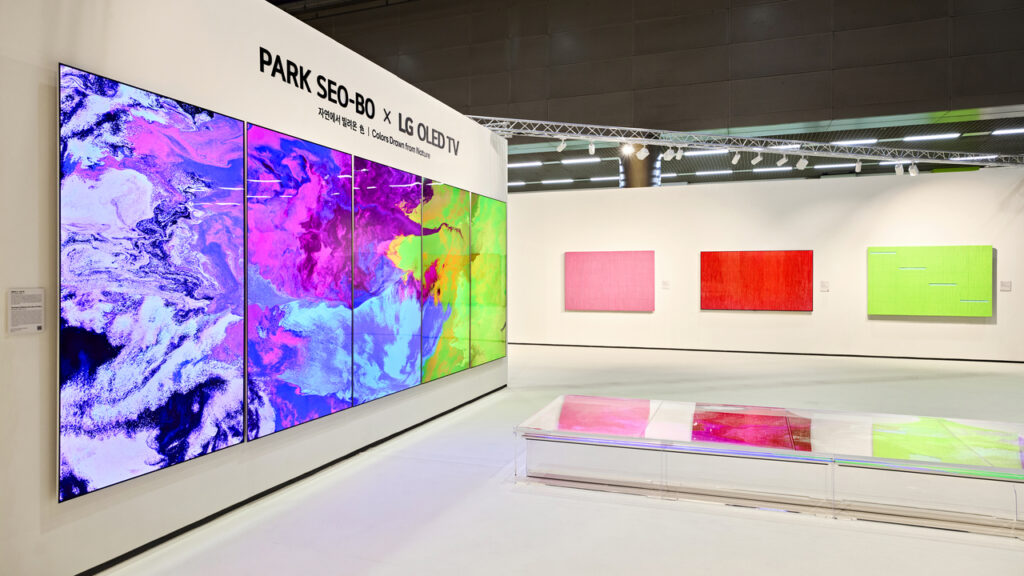
Today, works from the Dansaekhwa movement continue to appear at international biennales and in museum permanent collections, educating collectors and new audiences on the cultural impact this uniquely Korean group made on the global contemporary art scene.
The Path Towards Individuality
While both movements were founded a decade apart and differentiated by their focuses and manifestos, their popularity and thriving presence in the high-end market has been on par. Exposure to these artists has brought their histories to collectors, visitors and gallerists. Yet learning about these movements inevitably also means engaging with the tragic times of their nation’s experience and recovery from turmoil.
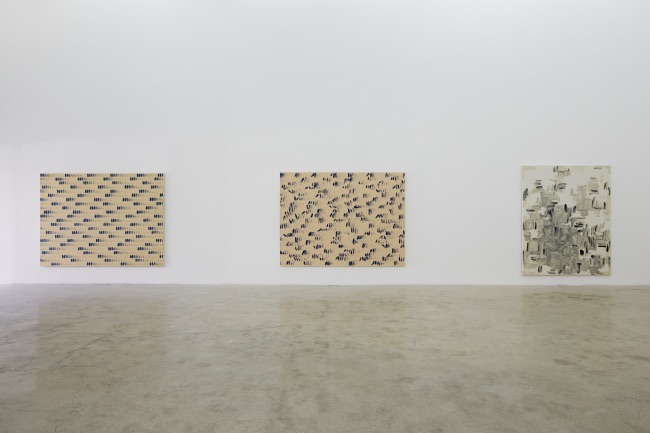
From another perspective, it highlights the perseverance and grit these artists shared in efforts of restoring their spirits and individuality through art. By uncovering more about the histories tied to these artists, lessons from their lived political havoc may be taught in the hope of ensuring such tragedies are never repeated.
Perhaps the high value of their works reflect not only their reputations, but acknowledgment of the perseverance each artist demonstrated in reconciling themselves with their interrupted dreams. While war still rages today in different parts of the world, may these works of art not superficially sit in empty showrooms, but serve as a strong reminder of one’s individuality and freedom– no matter how long that might be able to come to light.