The Unfamiliar Histories Behind Singapore Biennale’s Sites— Singapore Biennale

Labelled as one of the healthiest financial hubs across the world, Singapore carries the miracle story of a successful nation without natural resources. Contrary to present views of this wealthy country, Singapore was actually a third-world country 60 years ago.
From pre-colonial eras, gaining independence, to fighting the issues of poverty and labour, the 2025 Singapore Biennale invites audiences to explore the past routines and lives that have shaped Singapore’s distinct landscape. Comprising over 100 public art installations across four major parts of the city such as: The Civic District, Wessex Estate, Tanglin Halt connected to Orchard Road, and Tanjong Pagar Distripark; here are some tidbits of unfamiliar history each district holds.
The Civic District
Now home to vibrant cultural and development institutions, Singapore’s Civic District holds similar records in the 13th and 14th century. Situated between the Singapore River and present Stamford Road, it was described as a thriving port settlement.
Upon the British settlement in 1819, the port quickly expanded beyond its original acres, and important civic buildings such as: The Empress Place, The Old Supreme Court and City Hall Building.
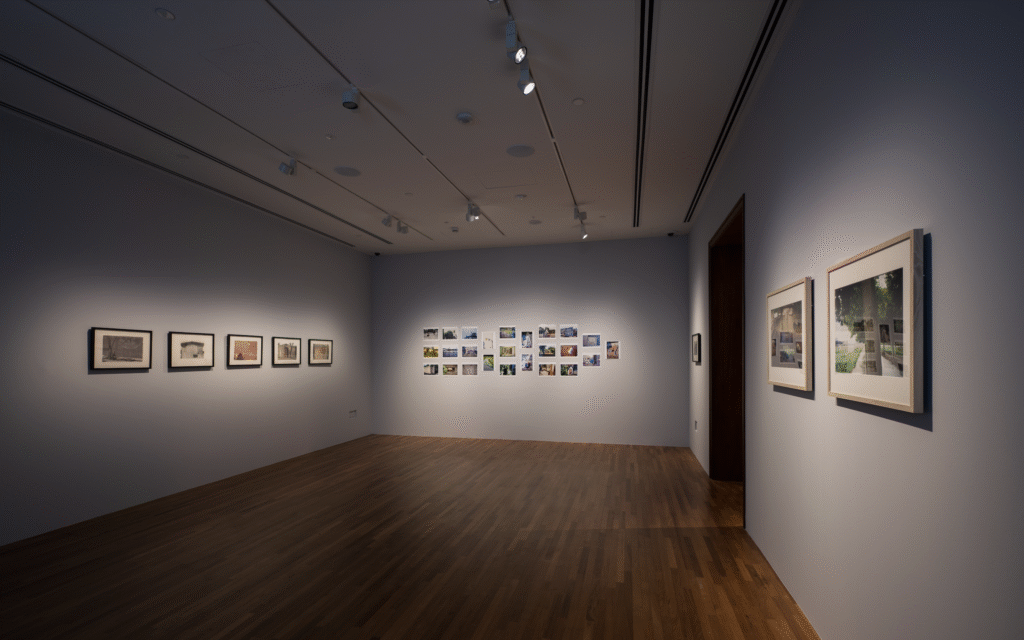
The Civic District was also a pivotal witness to historical milestones in Singapore’s independence journey. From the formal Japanese surrender in 1945, post-war political rallies, to the first election of Singapore’s parliament in 1965.
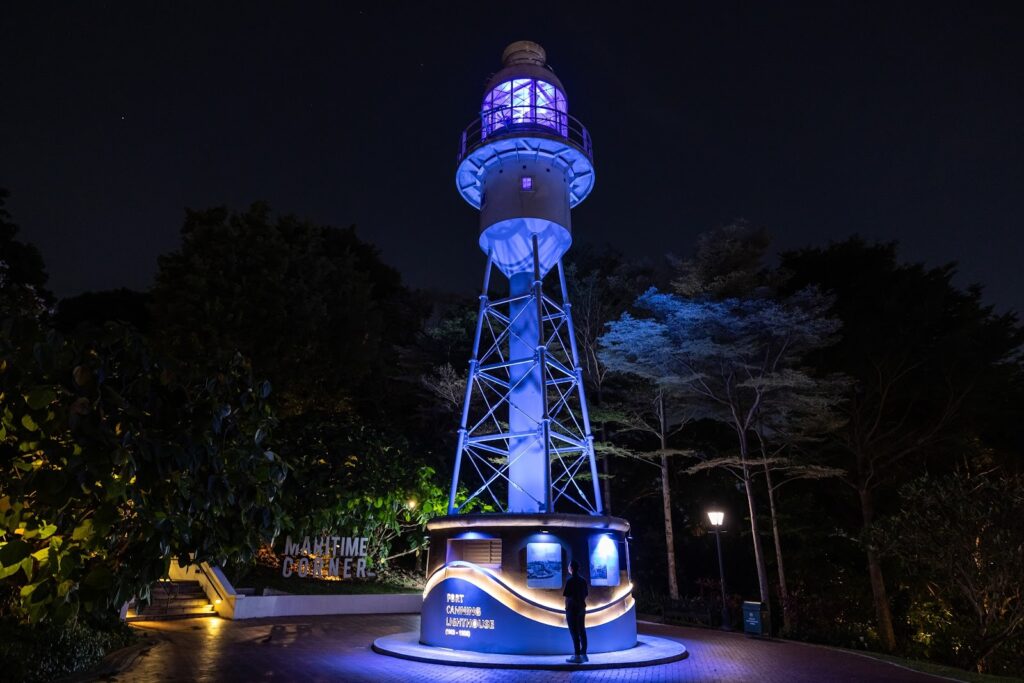
Installation view of lololol’s Light Keeper (2025). Commissioned by Singapore Art Museum for Singapore Biennale 2025: pure intention. Image courtesy of Singapore Art Museum.
Artworks inhabiting this area come from renowned creators like: Gala Porras-Kim (Colombia/USA/United Kingdom) who seeks reflection upon labour and rest, celebrating Sunday gatherings of migrant worker communities through their poetry, and Tuan Andrew Nguyen (Vietnam/USA) who invites audiences to participate in creating a healing soundscape through interaction with a monumental installation that features elements made from defused unexploded ordnance found in the Quảng Trị province.
Wessex Estate
A 24-kilometre path that embodies Singapore’s memories, the Railway Corridor along Wessex Estate was formerly a railway line used for commuting and transporting goods between Singapore and the rest of Malay Peninsula at the beginning of the 1900s. Even prior to the opening of the then- Causeway, the railway line operated two ferry-boats: the Singapore and the Johor, which brought rail passengers across the Johor Strait.
With the completion of the Causeway in 1923, trains could finally cross the Malay Peninsula into Singapore. The Causeway’s passenger traffic remained strong with its convenience, even gaining more footfall thanks to Johor’s gambling farm proprietors paying return fares for people in Singapore travelling up north to gamble. In 1966, the 12-mile (19 km) railway extension line from Bukit Timah into the new Jurong Industrial Estate, was officially opened.
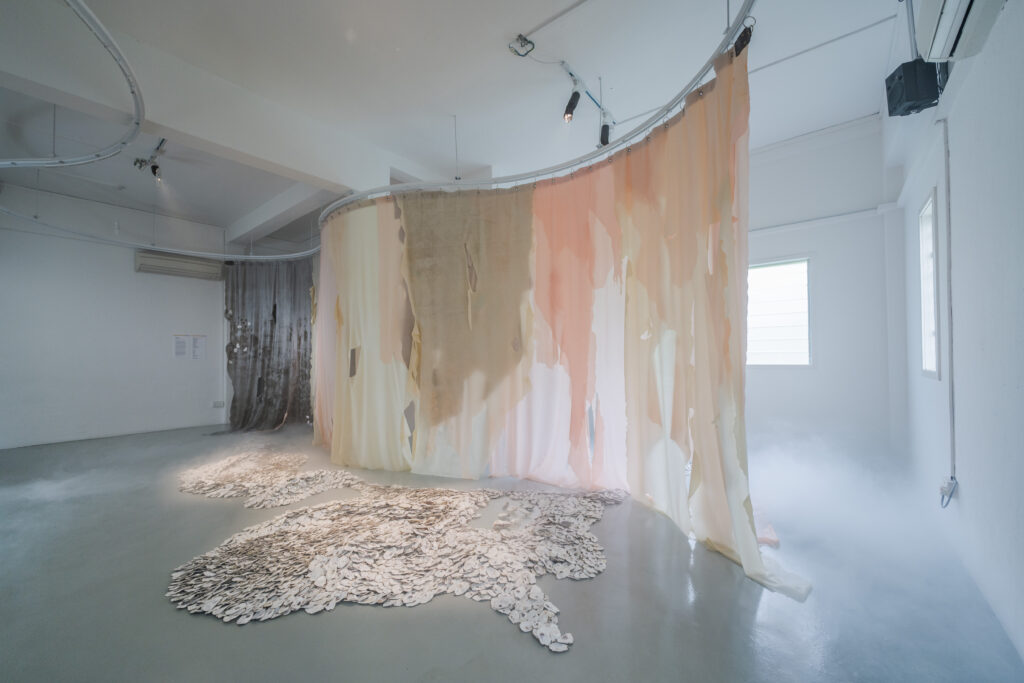
Despite the S$5.9 million joint venture between Malaysia’s Keretapi Tanah Melayu Berhad and Singapore’s Economic Development Board, the line did not see extensive use and was abandoned in the 1990s. No longer inhabited, nature conquered the railway and transformed into the picturesque hiking trail tourists and locals like to visit.
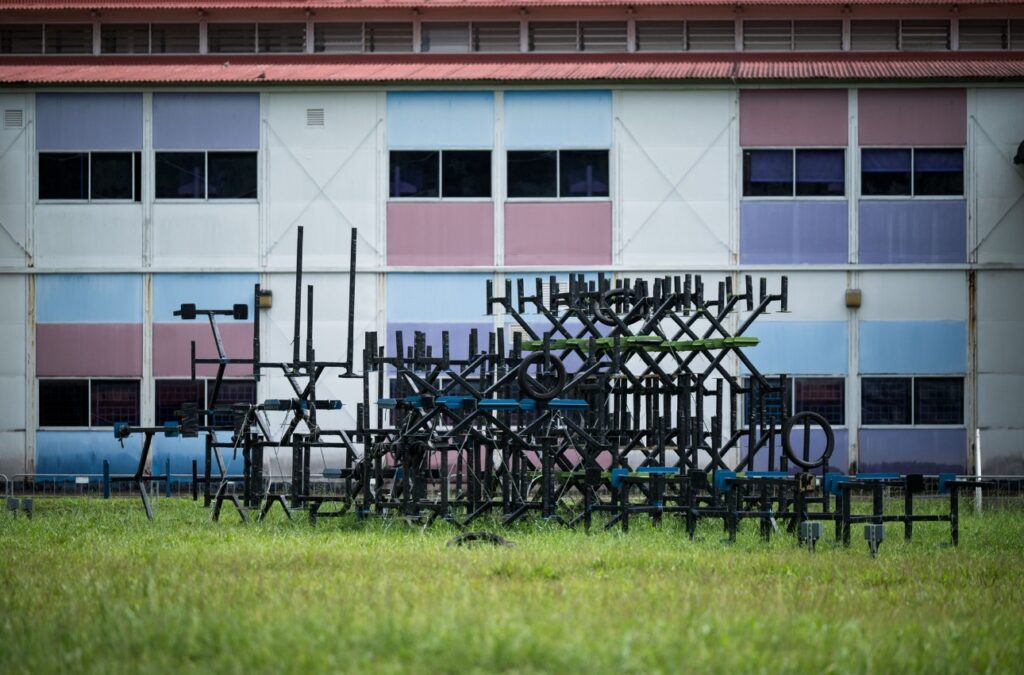
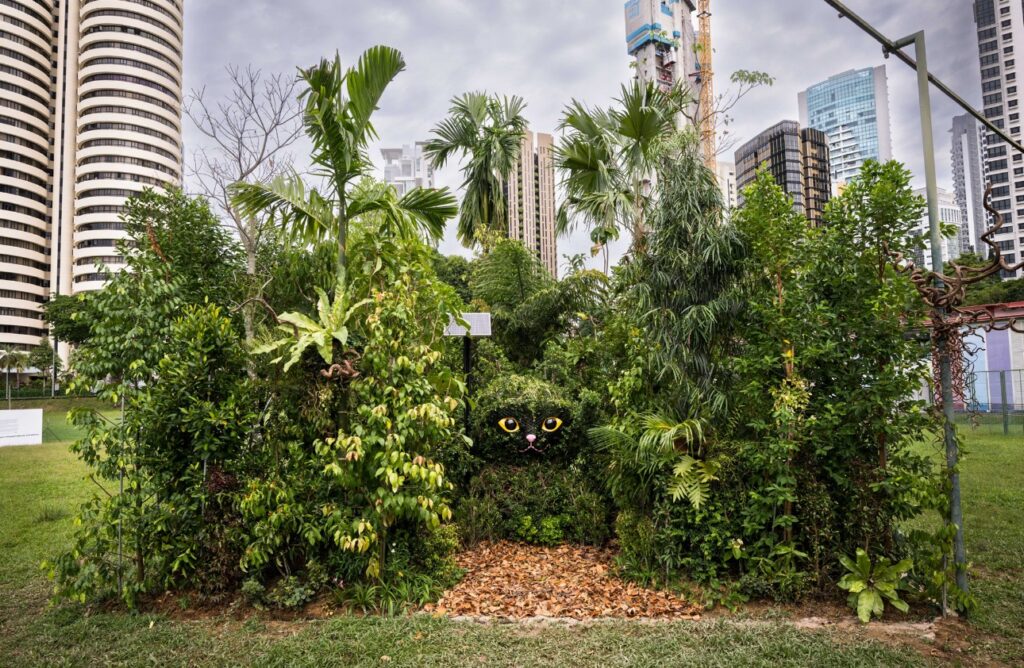
Artists occupying this area include: Guo-Liang Tan (Singapore), who reimagines the scrolled theatre backdrops characteristic in Weerasethakul’s films as a kinetic outdoor installation; and Emily Floyd (Australia) who presents a new rendition of her Field Library series—å a vibrant sculptural installation situated amidst the greenery of Wessex Estate, which functions as both a gathering space and an open-access library.
Tanglin Halt and Orchard Road
Even before well known shopping centers like Far East and Lucky Plaza were built, Orchard Road was home to Champion Motors— the automobile showroom where the first Volkswagen made its debut in Singapore.
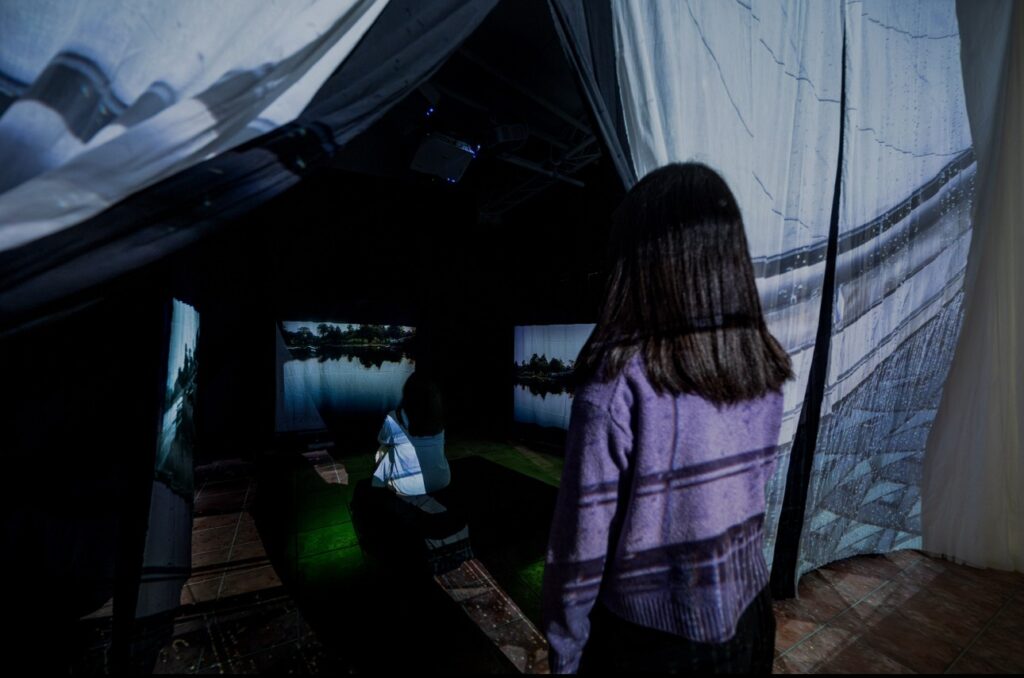
After the nation’s realisation towards tourism becoming an emerging and promising resource, one of the first districts to be reimagined was Orchard Road. The once-automotive landscape soon stepped down for hotels and strata malls. By the early 1970s, Orchard Road had fully reinvented itself, becoming known as the ‘IT’ place to be, evolving into what it is today.
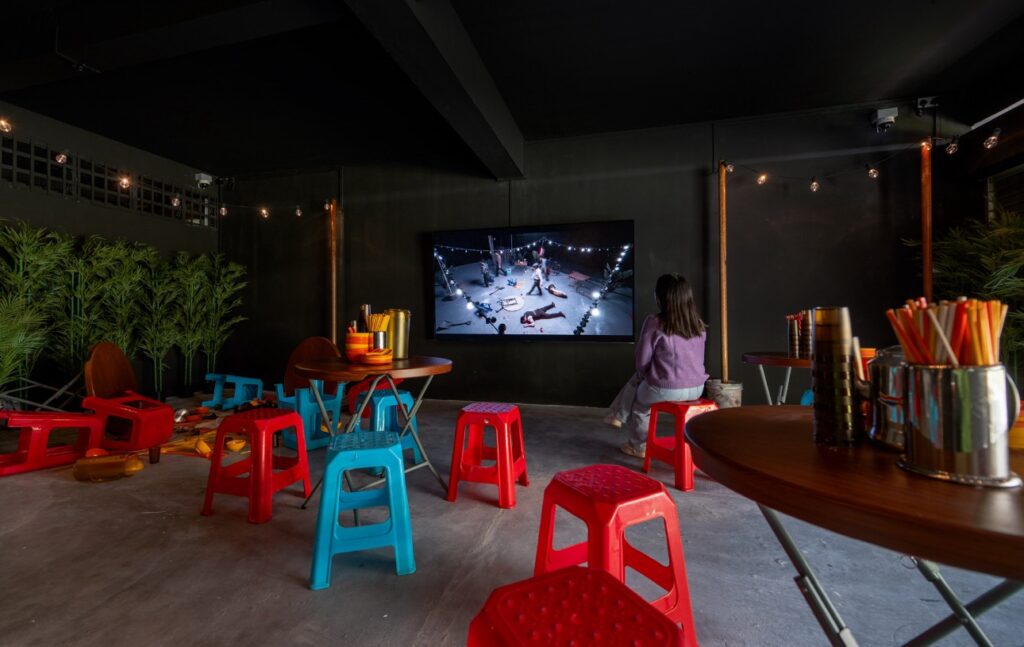
Artists here include Adrian Wong (Singapore) who turns a housing void deck into a casual cinema, and field-0 (Singapore)—a collaborative practice initiated by artists Jingru (Cyan) Cheng and Chen Zhan. Based between art and anthropology, they use sensorial approaches to explore the relationship between the environment and human nature.
Tanjong Pagar Distripark
At Tanjong Pagar Distripark, SB2025 draws connections between works from Singapore’s National Collection and contemporary practices. Expanding on the theme of pure intention, the Biennale will reflect the far-reaching impact of Singapore’s rapid urban development on its citizens.
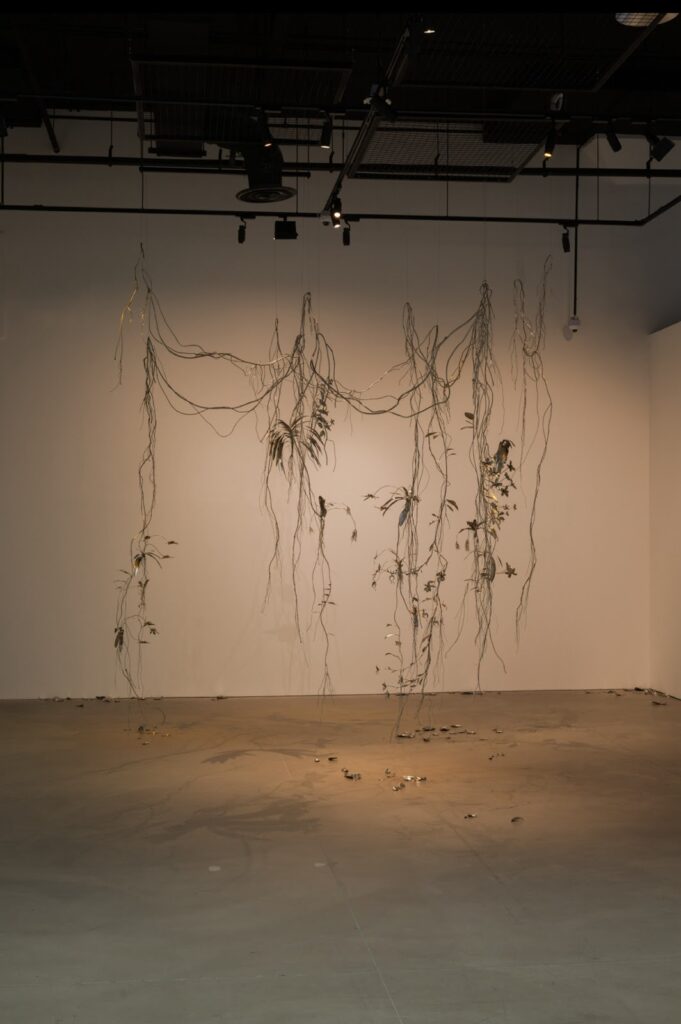
Matching up to its reputation, pivotal artists are stationed in the region like pioneer artist Liu Kang (Singapore) (1911–2004), Lim Mu Hue (Singapore) (1936–2008), Lim Yew Kuan (Singapore) (1928–2021), and Wu Peng Seng (Singapore) (1915–2006) against contemporary artworks. While many more activations will be made across the Keppel area, the names mentioned above cannot be overshadowed.
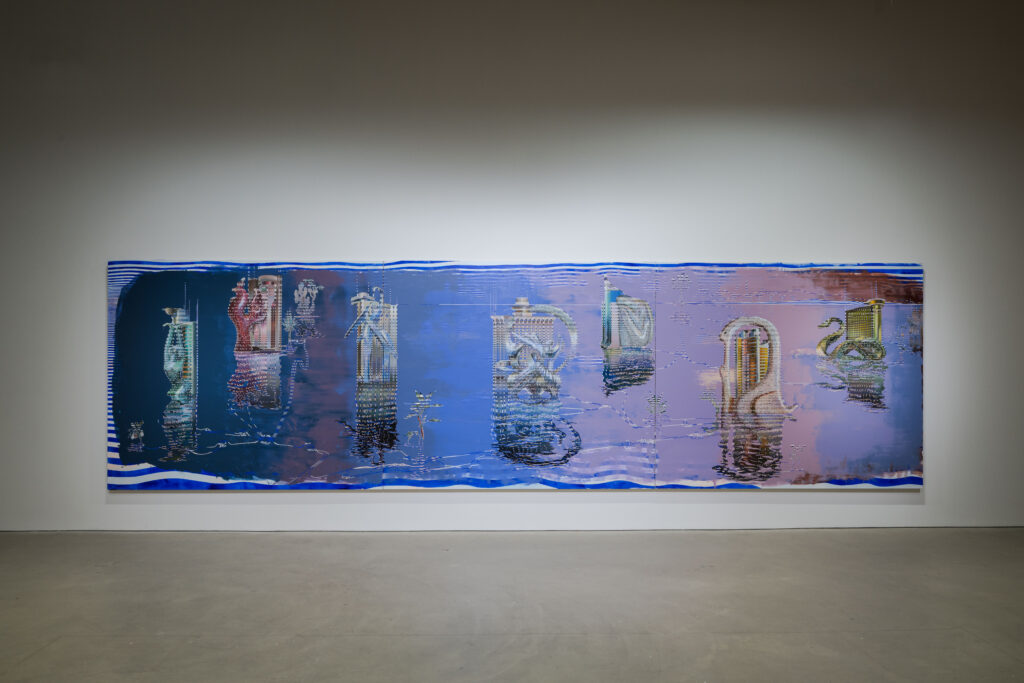
Several artworks will also be displayed throughout the city over the course of the Biennale, continuing to bring art into the everyday. The Singapore Biennale will continue until 29 March 2026, seeping its way into our routines, and be missed before we realise.
The Singapore Biennale’s brochure can be downloaded here, while tickets and more venue information can be found here. Ticket passes to certain areas of the biennale can be purchased using Culture Credits for Singaporeans.
Tags: analysis, art, art history, galleries, nationalgallerysingapore, singaporeart, singaporebiennale