Singapore Stepping onto the Frieze Stage


Frieze– one of the most iconic art fairs and names for both art collectors and galleries is essentially a dream to participate in. Dominated by Europe and East Asian based blue-chip galleries, it would be easy to assume that our spaces on this little red dot would never make it on this map. Nonetheless in Frieze Seoul 2025, one gallery will be making its prestigious debut, another fulfilling its awaited comeback, and a third marking their breakthrough on the New York stage. So here’s the question: which are the galleries involved; and what makes them so special?
The Return of STPI
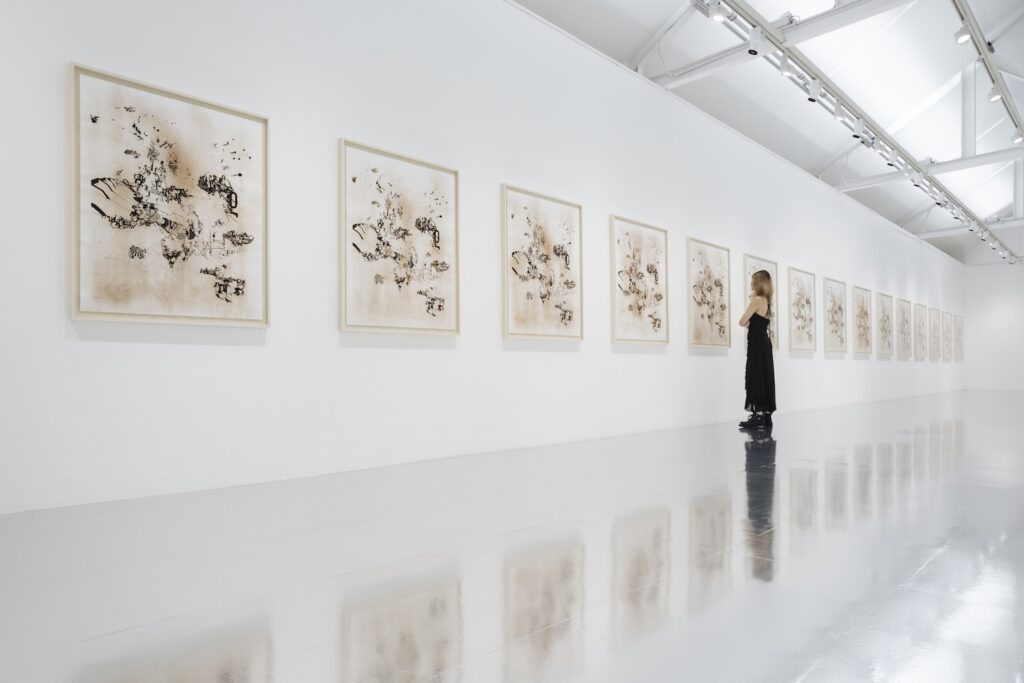
For seasoned fairgoers, STPI (Creative Workshop & Gallery) is no stranger to Frieze. Known internationally for its artistic experimentation with print and paper, it has become one of the most prominent contemporary art institutions in Asia. STPI also holds a place as one of Singapore’s Visual Arts Cluster of leading institutions in the region, serving as Singapore’s cultural ambassador abroad. As for Frieze Seoul this year, the gallery makes a powerful comeback, presenting works by South Korean luminaries Lee Bul, Do Ho Suh, and Haegue Yang. Their reappearance at Frieze works as a testament to their enduring reputation as a trusted space for some of the world’s most respected artists.
Ota Fine Arts’ Frieze Debut
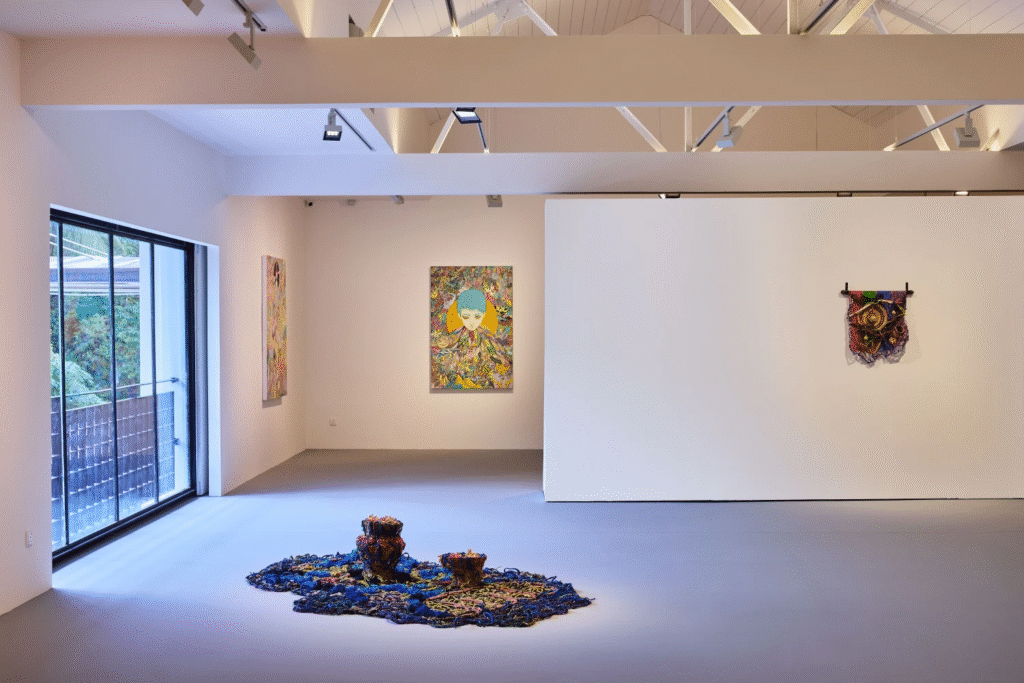
For Ota Fine Arts, Frieze Seoul 2025 marks a milestone debut. Established in Tokyo and later expanding to Singapore’s Gillman Barracks, Ota has steadily grown into a key player in the Asian contemporary art scene, exhibiting works that have caught international attention. Its arrival on the Frieze stage reflects years of groundwork laid across both cities, with Singapore playing an important role in shaping its trajectory. While the gallery has not publicly disclosed the specific artists they will present, their history of showcasing prominent Asian artists like Yayaoi Kusama, Nobuaki Takekawa, and Guo Liang Tan– a majestic lineup is the least that can be expected.
Yeo Workshop: Breaking Through
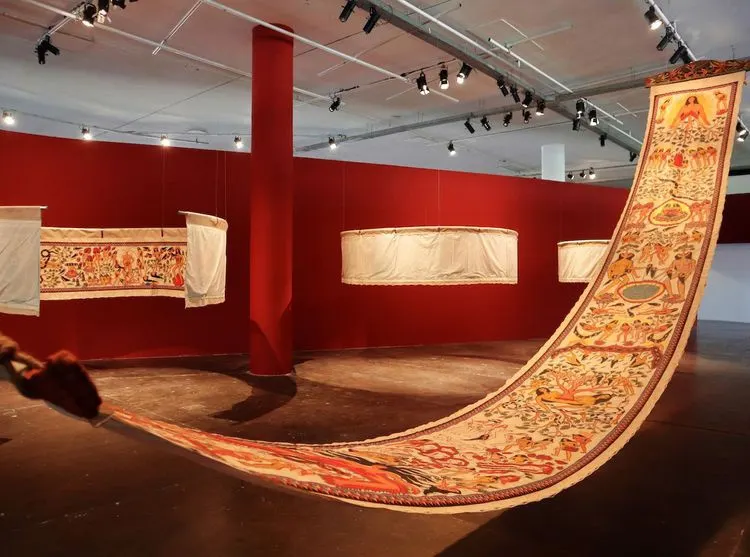
At Frieze New York 2025, Yeo Workshop created a bigger name for themselves by earning a spot in the fair’s Focus section— dedicated to emerging galleries making an international impact. Devoted to showcasing Southeast Asian artists who push the boundaries of visual culture, the presentation of Balinese artist Citra Sasmita captured both the gallery’s curatorial strength and role as a platform for Southeast Asian voices. Despite their previous participation in Frieze and Art Basel, their accomplishment from New York has shown the gallery’s perseverance to reach higher skies.
Past Entries
Singapore’s visibility at Frieze has not come out of nowhere but rather has been familiarising itself through other galleries with strong ties to the city. Yeo Workshop itself has previously participated in both Frieze and Art Basel, building steady recognition before its 2025 breakthrough moment in New York. Ames Yavuz—founded in Singapore before expanding to Sydney presented at Frieze’s No. 9 Cork Street in London last year, reinforcing its international reach. Sullivan+Strumpf has maintained an undeniable impact in Singapore while staging headline exhibitions in London, highlighting the city’s role as a strategic platform for galleries navigating global markets. Gajah Gallery founded in Indonesia has also appeared at Frieze Masters in 2023 with a showcase of Indonesian artist Gusti Ayu Kadek Murniasih, further supporting the theory of Singapore-linked galleries projecting Southeast Asian talent to international audiences.
Singapore’s Contribution to the Regional Art Ecosystem
Beyond Gillman Barracks– an informal art gallery district, Tanjong Pagar Distripark also hosts a cluster of influential galleries, including Whitestone Gallery, Gajah Gallery, Prestige Gallery, and Linda Gallery, which have cultivated promising talents, regional exposure, and collector engagement. Together, these spaces have continuously reinforced Singapore’s position as a assembly ground where local, Southeast Asian, and international art intersect; providing infrastructure to flourish galleries and reach beyond the city.
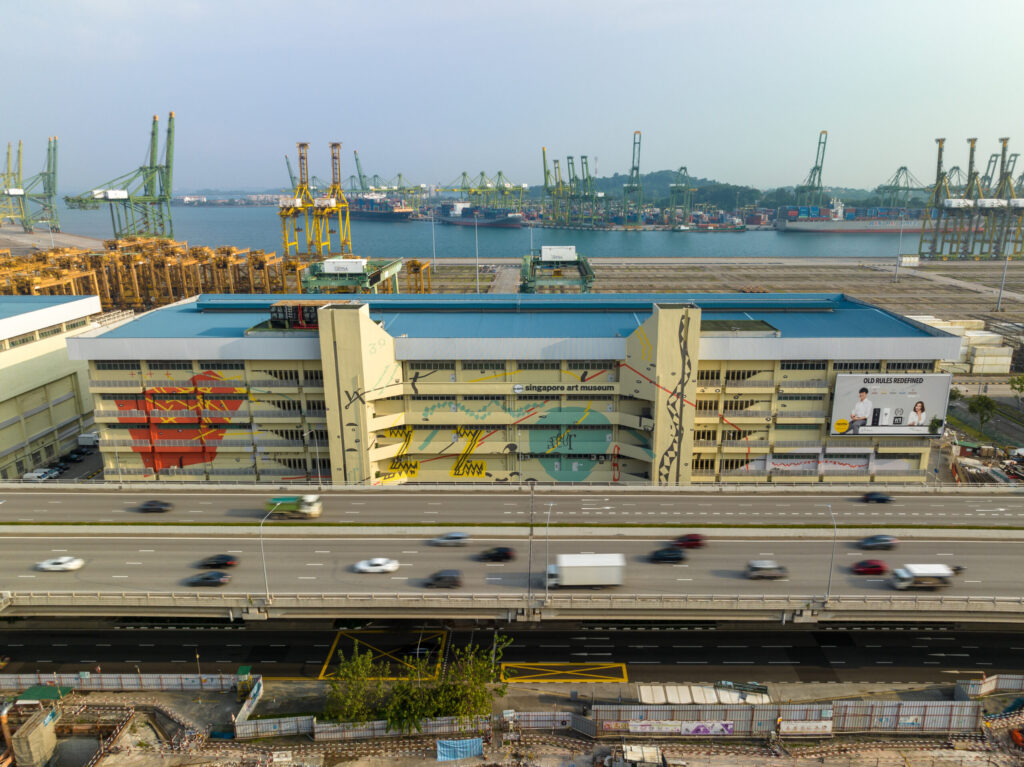
For years, Singapore has been perceived more as a market than a maker, but with resilient clusters like Gillman Barracks and Tanjong Pagar Distripark, strong logistics infrastructure, announced plans to grow the arts public and commercial scene, and a growing collector base; the country is beginning to show that it can sustain international relevance. Positioned between Hong Kong, Seoul, and Tokyo, Singapore offers neutrality, connectivity, and access to Southeast Asia’s vibrant art production.
A Contender in the Blue-Chip Conversation
Whether it be STPI’s institutional credibility, Ota Fine Arts’ cross-border influence, or Yeo Workshop’s emerging voice, the participation of Singapore-based galleries at Frieze fairs act as a inspiring tale where the little red dot is no longer invisible on the global art map. It may not rival its other asian parts yet, but Singapore is increasingly becoming bolder to join the blue-chip network.